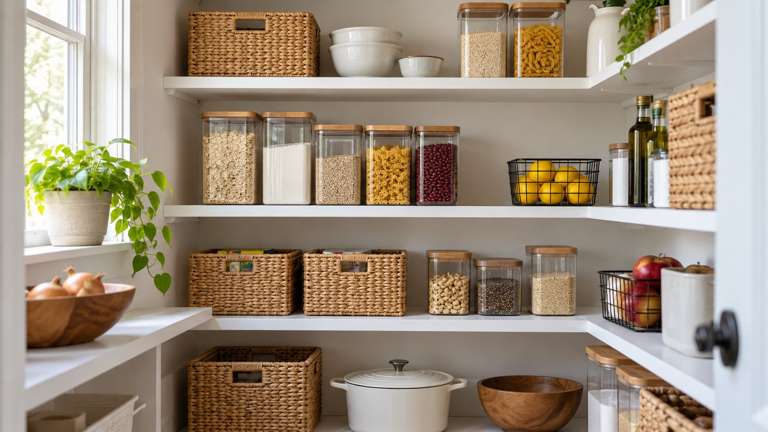
Planning New Shelves: Start With What You Need to Store
Plan shelving around the items you use, the space available and the way you move through the room. Include layout, product limits and finish work in the discussion.
Read the Guide LoginGet Started
Practical Home Knowledge
Clear, useful guidance for maintaining, repairing, and improving your home with confidence.
Plan shelving around the items you use, the space available and the way you move through the room. Include layout, product limits and finish work in the discussion.
Read the GuideUseful storage begins with the things you need to put away and how often you reach for them. Shelf depth, spacing, door clearance, and the room's layout can matter more than adding the largest unit that fits. Shelving and storage reading helps you think through those choices before selecting a product or deciding on a mounting location. Group your ideas by what you want to store: frequently used household items, occasional supplies, or pieces you want to display. Each purpose raises different questions about convenient access and the arrangement.
The intended contents, shelf system, brackets, and supporting wall all affect suitability. An existing shelf should not be assumed to carry a heavier load simply because more space is available on it. Assembly, installation, and adjustments to an existing setup are also different tasks, so it helps to distinguish which result you want. Consider what you want to keep within easy reach and what can go elsewhere. Sharing those preferences helps us discuss shelf placement and product choices in terms of your routine, not just available wall space.
Bring your storage priorities to an onsite working visit, whether you have selected a product or are still considering options. We review dimensions, access, mounting conditions, scope, and price before you approve work. You can start with one cupboard, closet, or wall area rather than planning every storage change at once.
Keystone Helper
Choose what you need.