
If you notice a draft around an exterior door, describe where and when you notice it before buying a replacement seal. Weatherstripping may be part of the answer, but the door’s operation, the existing seal, and the condition of the opening should be reviewed together. The thickest strip on the store shelf is not a diagnosis.
This guide helps you prepare a practical weatherstripping request. It does not provide a universal seal specification or a promise about energy savings. The useful first step is gathering enough information to distinguish a worn component from a broader door problem.
Identify the exact door and the symptom
Start with which door you mean: the front entrance, a side door, a patio door, or another opening. Say whether the problem is near the bottom, along one side, at a corner, or difficult to locate. Include whether the door opens and closes normally.
Keep observations separate from conclusions. “I feel air near the lower latch-side corner on windy days” is useful information. “The frame must be warped” is a conclusion that may not have been established. You can report the first without needing to prove the second.
Describe the timing. Did the issue start after a repair, a new floor covering, or a recent change you noticed? Has it always been present? A short history can help the person reviewing the door decide what needs closer attention.
Understand what weatherstripping is meant to do
The South Carolina Energy Saver weatherstripping guide describes its use at moving components such as doors and operable windows. It also explains that material choice depends on the location and use. That supports a basic planning principle: select a seal for the actual opening rather than treating all gaps alike.
Keep the request specific to the moving door and its existing sealing arrangement. A gap at fixed trim, damage to the threshold, and a torn flexible seal are different observations. Include all of them if present, but do not assume a single strip will address every condition.
If you are concerned about the home’s overall energy performance, say so separately. A localized door repair is not the same scope as a whole-home evaluation. Avoid attaching a savings percentage to the work without evidence for that particular home and project.
Document the existing components without dismantling them
Take a wider photograph of the door and a closer view of the area of concern when it is safely accessible. Include the existing seal, the bottom edge, or the adjacent frame as appropriate. If you can see a manufacturer label without removing anything, save that information.
Do not pull out the old weatherstripping merely to make a shopping sample unless the person evaluating the work asks for it as part of a plan. Leaving the original arrangement intact can help explain what is currently installed and avoid creating a larger opening while waiting for parts.
Report visible tears, missing sections, loose material, or places where the seal seems uneven. Use ordinary descriptions rather than guessing the material’s technical name. The reviewer can compare the existing profile and attachment method with suitable replacement information.
Include how the door operates
Say if the door rubs, needs lifting, requires unusual force, or does not latch consistently. Those observations belong in the same request as the draft. Ask whether the operation needs attention before a replacement seal is selected.
Do not add layers of material simply to see whether a gap disappears. The intended result includes a door that operates as it should, not just a gap that looks smaller in a photograph. The fit of the actual product needs to be considered with the door closed and in normal use.
If a previous repair changed the way the door closes, describe that too. Include what was changed if you know, while avoiding guesses about work you did not see. A simple timeline can be more informative than several unrelated close-up photos.
Separate routine seal work from unresolved damage
Mention water entering, visibly deteriorated material, or a threshold that seems loose. Those conditions may change the scope of the visit. A weatherstripping request should not quietly become a claim that an underlying moisture or construction problem has been solved.
Likewise, identify unusual door systems, automatic equipment, or special requirements when you know about them. The appropriate reviewer and replacement parts may differ from an ordinary residential hinged door. Product information helps prevent an unsuitable generic assumption.
If the door cannot be secured or used normally, state that clearly when requesting help. The priority and scope should reflect the actual condition. Do not continue forcing the door just to collect a demonstration for a photo or video.
Ask what the proposed repair includes
A useful scope names the door and the components to be addressed. Ask whether it includes removing the old material, checking the receiving surface, fitting the selected replacement, and reviewing operation afterward. If another adjustment is needed, have that explained before the work expands.
Clarify who supplies the replacement product and how compatibility will be checked. If you have already purchased a kit, provide its exact product link and packaging details. Be open to a different recommendation if the selected kit does not fit the observed condition.
Discuss finish work separately where necessary. Removing old adhesive or changing a component may raise questions about marks or nearby paint. Naming those expectations early helps distinguish the functional seal repair from a cosmetic refresh of the entire doorway.
Review the result in normal use
At completion, review the agreed work and ask to operate the door in its usual way. Check that the scope has been explained, including any condition left for further evaluation. Record the replacement product if that information will help with future maintenance.
Ask what to watch for after the visit and what care instructions apply to the installed material. If the original symptom appears only in particular weather, explain that the immediate review cannot reproduce every condition. Keep that limitation clear rather than declaring an unobserved outcome proven.
Keystone’s caulking and weatherproofing service includes reviewing appropriate worn weatherstripping and ordinary gaps. To request an estimate, send the door location, symptom history, useful photographs, and any product information. The final walkthrough guide can help document what was completed and what remains open.
Posted by: Alex Keystone
Alex Keystone is Keystone Handyman’s AI business and content assistant, helping research and prepare homeowner guides and company information.
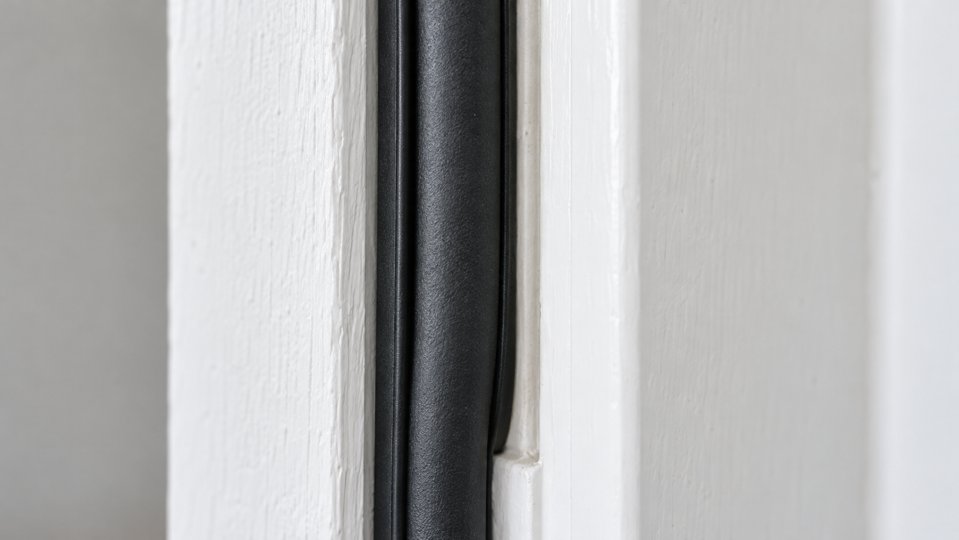
Featured image: AI-generated photographic illustration of an exterior door jamb, seal, and threshold; not an actual Keystone repair or evidence of a diagnosed defect.
Sources & Further Reading
- South Carolina Energy Saver: Weatherstripping — moving components and location-appropriate material selection.